Art can honor culture while building global economic power. At the heart of Hip Hop Beauty Circa 1973 (HHB) is a simple but powerful idea: images that aren’t just snapshots; they’re legacy. Experiencing Black beauty centered, celebrated, and owned through HHB’s exhibitions is one of those moments that changes how you see everything.
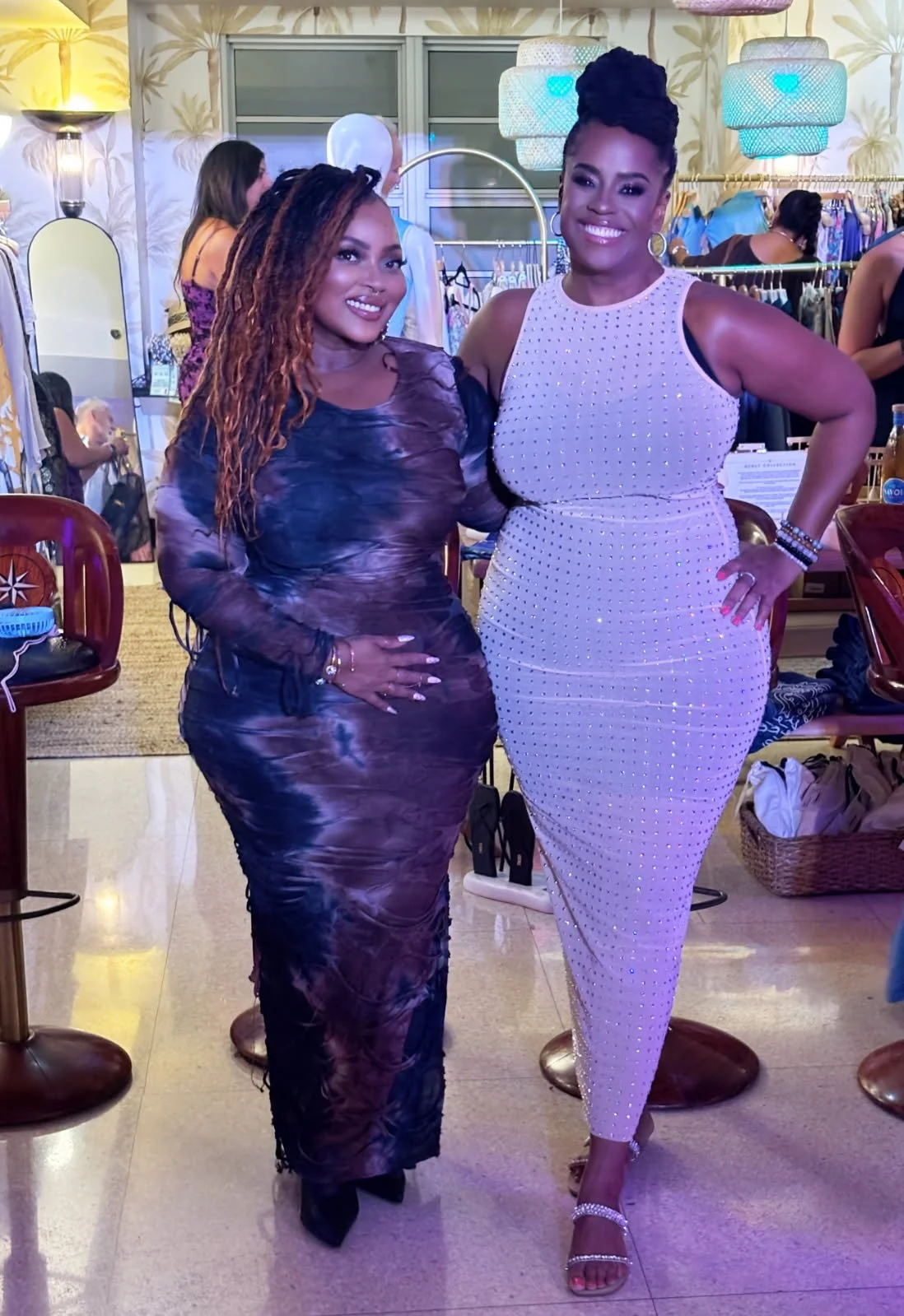
Traveling the world has always shaped my life, and for the past 7 years, I’ve done it with the Pink Girls Run the World (PGRW) community. From Europe to Africa, I’ve experienced some of my favorite new places alongside Thembisa Mshaka, co-founder of Hip Hop Beauty Circa 1973. It wasn’t until I caught up with Thembisa and her business partner, Ashunta Sheriff, after their HHB Art Basel Miami exhibition that I truly saw how this project shifts perception…resonating deeply with women who navigate the world with intention.
Why Art Was the Right Medium
“The culture that raised us lives in our images,” Thembisa shared. HHB takes often-overlooked moments and elevates them into fine art, celebrating the artistry behind the camera. Photography becomes a declaration: Black beauty is worthy of reverence, ownership, and permanence. This impact is real: through limited-edition portraits, photographers earn revenue from previously unseen work, while collectors gain access to exclusive art pieces.
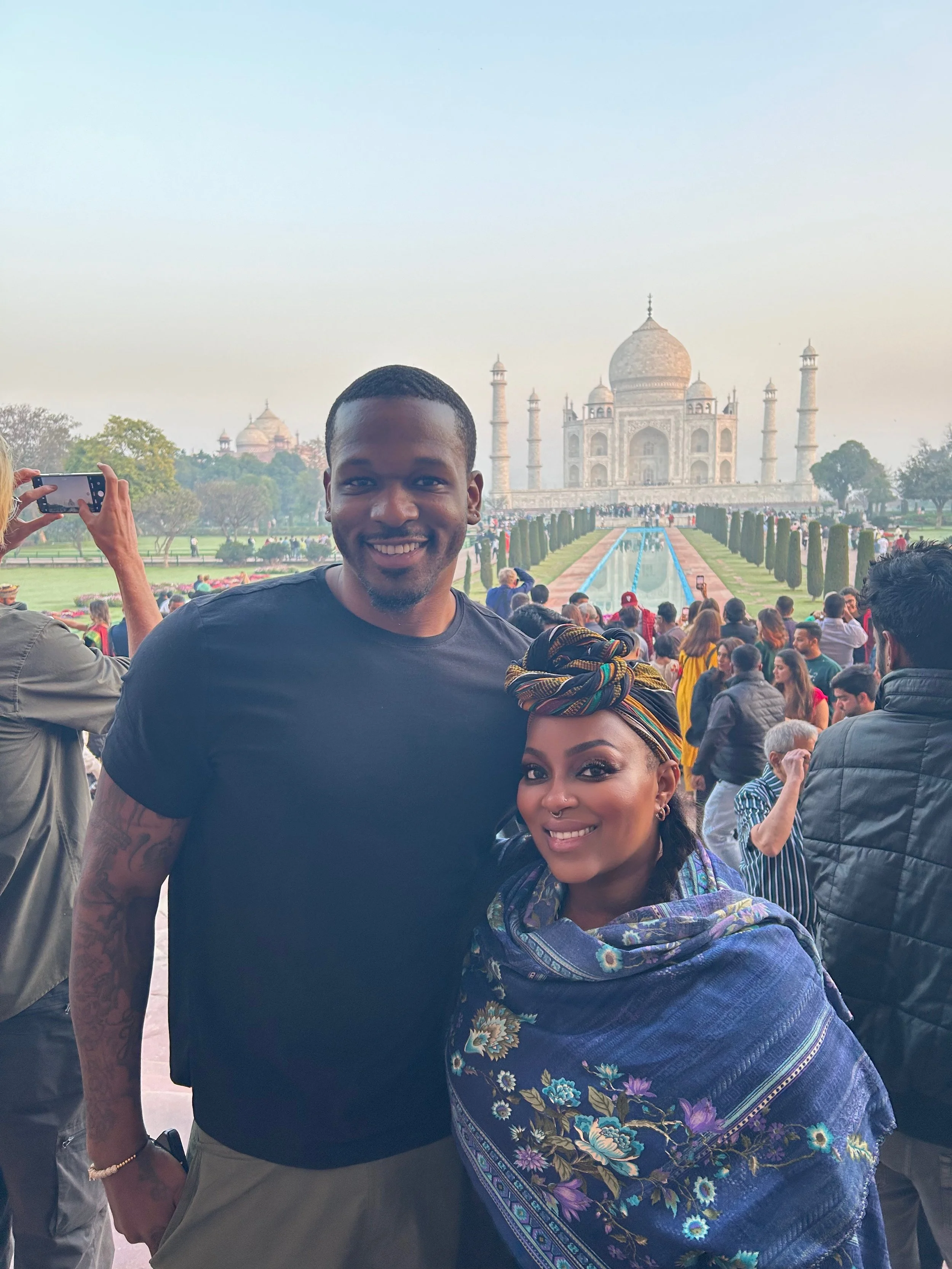
Ashunta in India
A Global Cultural Impact
Ashunta sees HHB as a borderless movement. Her career; from working with Alicia Keys, Rihanna, and Empire to appearing on international stages with global press, she’s seen firsthand that hip hop culture resonates worldwide. In Malaysia, fans know every lyric to Alicia’s and Rihanna’s songs. In Japan, someone once offered to pay Ashunta to cut her locs. These experiences aren’t just anecdotes, they show the culture’s global reach, deep reverence and influence.
Read more below from our conversation on why it does matter.
PGRW: Hip-Hop Beauty Circa 1973 is deeply rooted in place and culture. Was there a specific moment, city, or community that made you realize this project needed to exist; and why now?
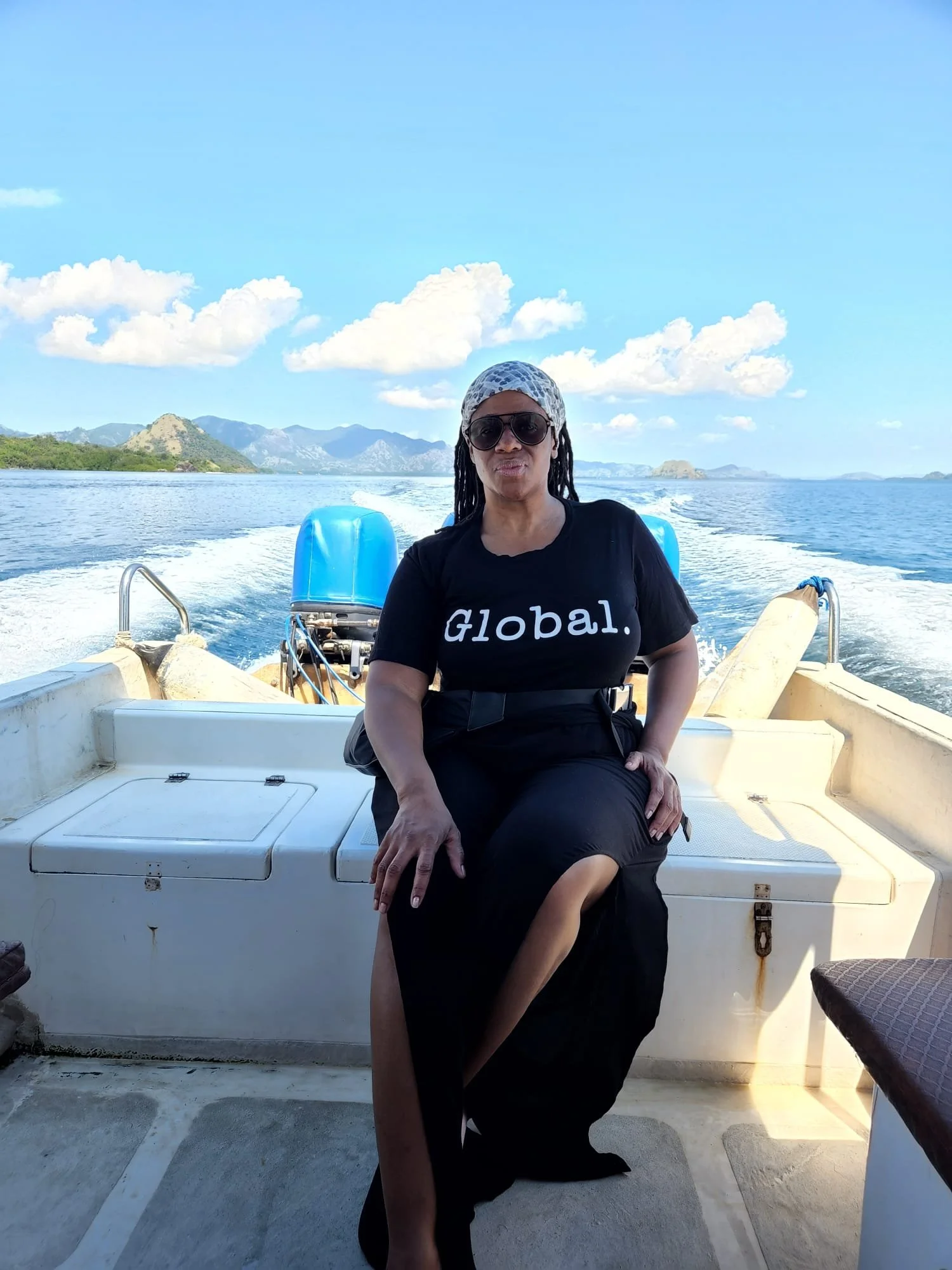
Thembisa in Indonesia
MSHAKA: This exhibition honors Black and Brown women and is defined by three words: Rebellion, Reclamation, and Respect. Too often, their expression and beauty are minimized or erased, allowing others to appropriate and deny credit for beauty looks, hairstyles, adornment, and more. The exhibition centers the creators and innovators behind the beauty that hip hop culture gives the world.
SHERIFF: Moving across multiple creative industries over decades taught me that legacy is built through ownership, not just visibility. Being seen matters, but controlling the narrative, IP, and future creates lasting impact. Today, I intentionally build platforms that amplify culture, honor our roots, and ensure our stories are owned and visible on our terms.
PGRW: You’ve both spent decades moving through different creative spaces and industries. How has your journey shaped the way you think about legacy, ownership, and visibility today?
SHERIFF: Even as hip hop has gone global and commercial, it has protected its soul through a strong core community. Each decade it reinvents itself while staying rooted in truth, shaping the global beauty stage for over thirty years. We are here to reclaim, redeem, and recognize the interconnected ecosystem of builders across beauty, fashion, dance, art, technology, and AI.
MSHAKA: I remember how vilified hip-hop youth were and how only college and community radio supported our music before major labels saw its value. In just 50 years, hip hop has become a trillion-dollar global industry. Now is the time for the culture’s builders to set the record straight using both analog and digital/AI approaches. Black culture and heritage deserve this reverence that HHB brings through art and commerce.
PGRW: Ashunta, you’ve spoken about younger generations not knowing the history. If this exhibition were a “cultural passport,” what do you hope young Black women carry with them after experiencing it?
SHERIFFf: I want young Black women to leave knowing they come from brilliance, power, and innovation. This exhibition is a cultural passport connecting them to the history behind their freedom of expression and shows what’s possible when talent meets intention, ownership and courage. It highlights a deeper understanding of how hip hop was born from real, often unforgiving experiences.
PGRW: Hip-Hop beauty was born in everyday community spaces; salons, stoops, living rooms, and block parties. How do these spaces mirror the way culture is created and shared across the diaspora?
MSHAKA: At the core of culture is shared identity shaped by heritage, place, lifestyle, food, music, and art. When I travel, I see how the ways we gather in Brooklyn or Altadena echo those in Zanzibar and Cape Town; from flea markets to cookouts. It’s remarkable, and it’s up to us to deepen and strengthen these connections.
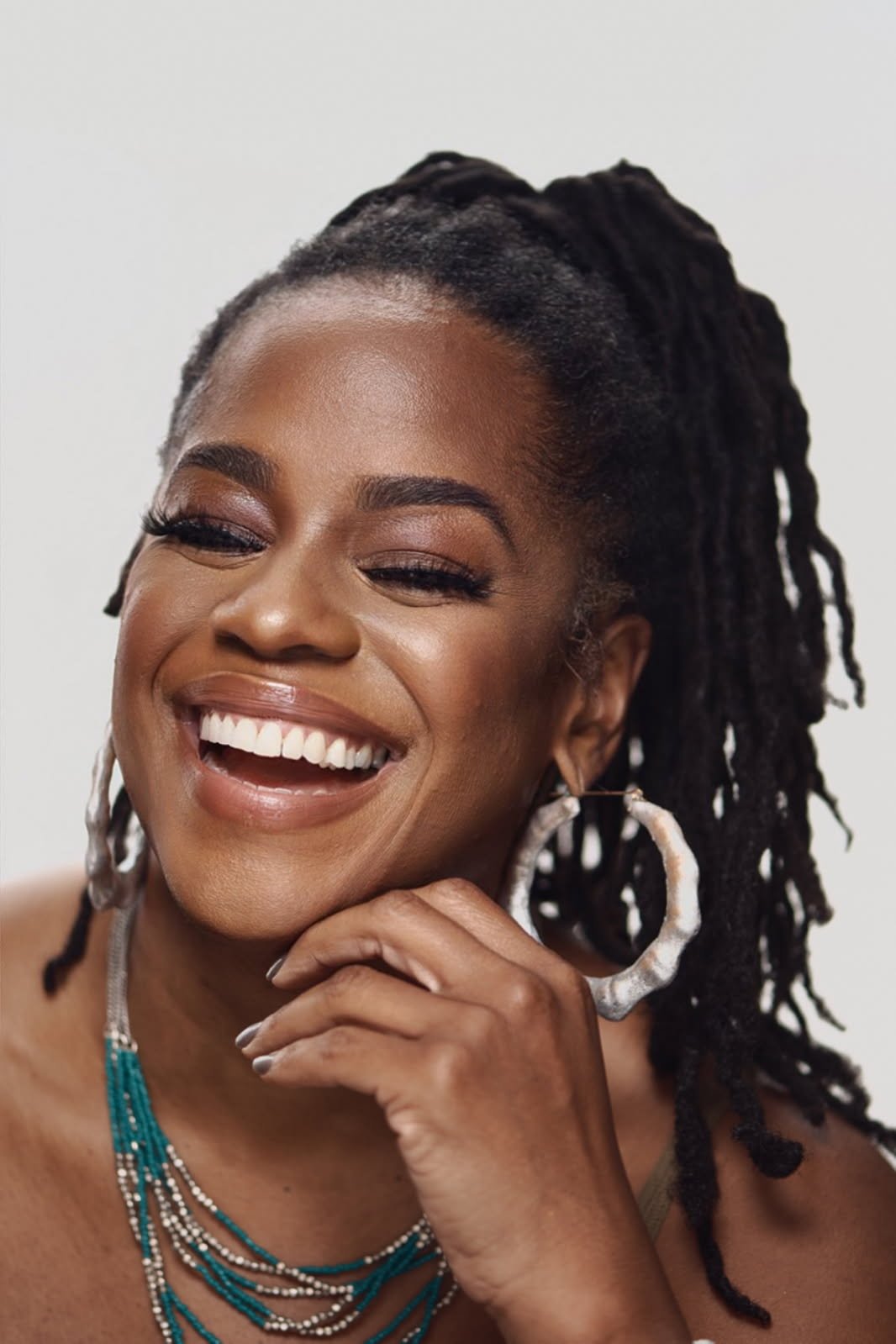
PGRW: Thembisa, you’ve described this work as reclamation and recognition. Are there moments in the exhibition that feel like a homecoming for you?
MSHAKA: Absolutely. Seeing Lil’ Kim takes me back to our first interview in 1995 when I was Rap Editor at GAVIN, and watching Spinderella being beautified for her Rock Hall induction reminds me that Salt ’N’ Pepa grew me up. These full-circle moments happen at every event.
Like travel, HHB centers experience over observation, inviting you to step inside the story. HHB is a cultural passport that honors our roots, who built the foundation, and the importance of ownership. Wherever it goes next, one thing is clear: the story will continue to move people…physically, spiritually, and forward.
Check at HHB at NYC’s Bill Hodges Gallery in March.
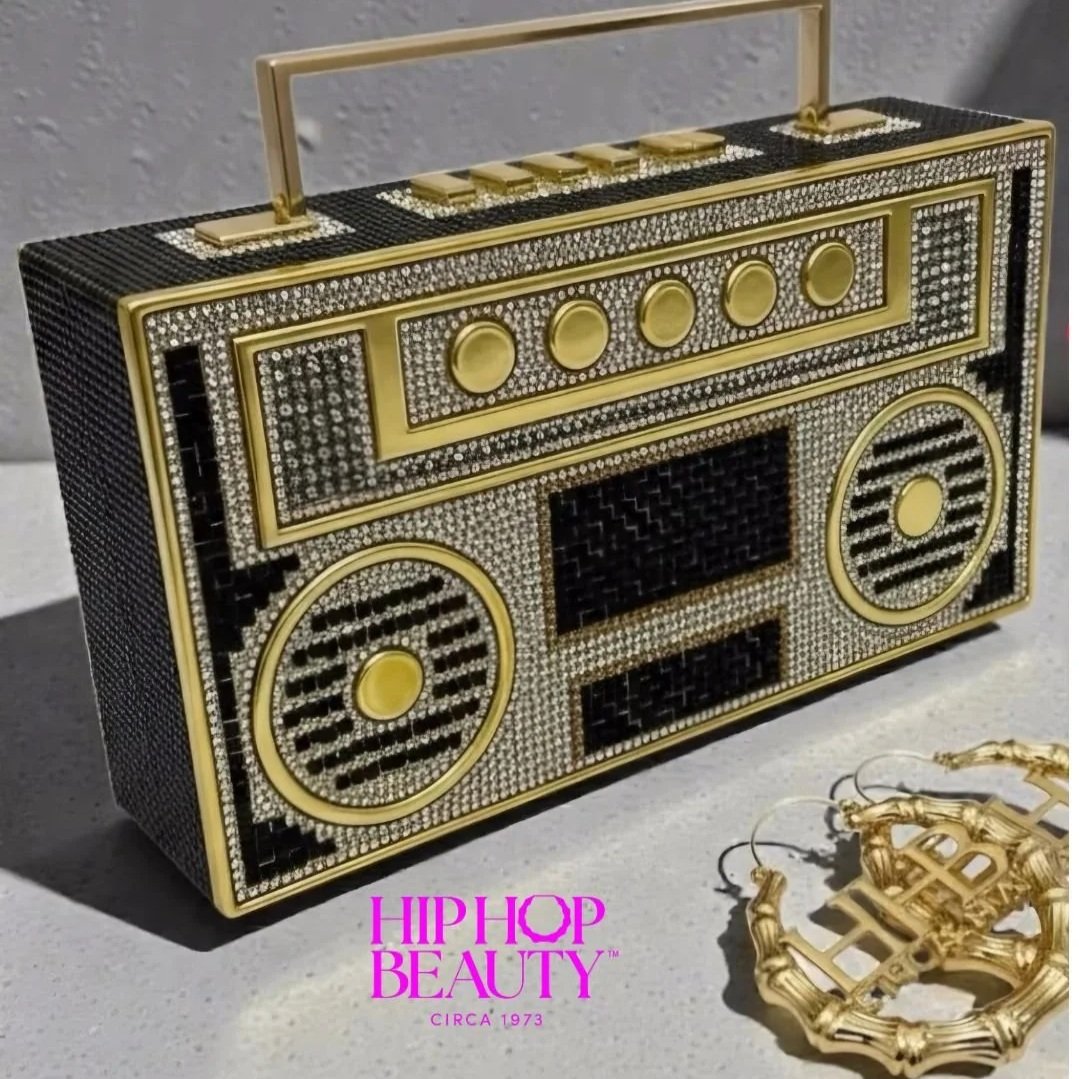
How can women creatives and entrepreneurs benefit from Hip Hop Beauty?
Empowers women by centering Black beauty and culture.
Generates revenue opportunities for photographers.
Provides collectors with exclusive, limited-edition art.
Inspires audiences to connect with culture on a global, spiritual, and personal level.